

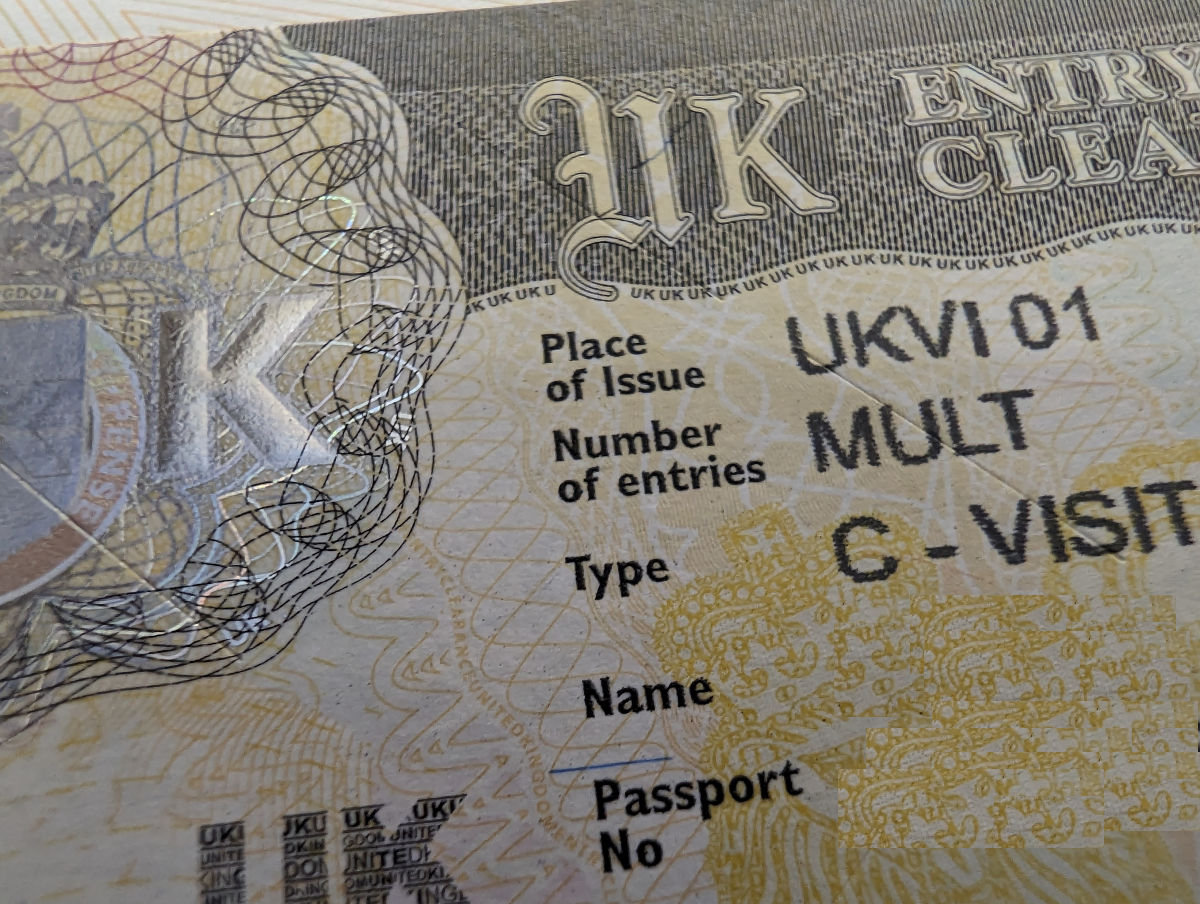

Prime Minister Sir Keir Starmer has unveiled a sweeping reform of the UK’s immigration system aimed at drastically reducing net migration and prioritising British workers and economic contributors.
The new measures, detailed ahead of the official release of the government’s Immigration White Paper, mark what the Prime Minister called a “clean break” from what he described as a “failed experiment in open borders.” The UK recorded nearly one million in net migration in the year ending June 2023 — a fourfold increase since 2019 — prompting what Starmer has called an urgent need for change.


“This broken system encouraged businesses to bring in low-paid overseas workers instead of investing in our young people,” Starmer said at a press conference. “Settlement in this country is a privilege that must be earned, not a right.”
Key Points of the New Plan
-
Extended Settlement Pathway: The route to permanent settlement will be extended from five to ten years. Only migrants demonstrating a “real and lasting” contribution to the UK’s economy and society will be eligible to apply earlier.
-
Priority for High-Skilled Workers: A fast-track pathway will be introduced for high-skilled professionals such as doctors, nurses, engineers, and artificial intelligence experts who contribute significantly to the economy.
-
Stricter English Language Requirements: Higher language standards will apply across all immigration routes, including for adult dependents, to promote better integration and reduce risks of exploitation.
-
Tighter Controls and Enforcement: All immigration categories — work, study, and family — will face stricter rules. Backdoor routes to settlement will be closed, and enforcement efforts increased, including deportations of individuals with no right to remain.
-
Workforce Reforms: Employers will be required to demonstrate investment in domestic skills before seeking foreign hires. Visa access for shortage occupations will face new restrictions, while industry workforce strategies will be launched to support British employment.
The government also revealed that since taking office, it has deported over 24,000 people with no legal right to stay — the highest figure in eight years — and cut visa numbers by 40%.
Economic and Social Justifications
The reforms are part of the government’s wider “Plan for Change” initiative, aiming to rebuild public trust in the immigration system, reduce pressure on public services, and address growing housing demand.
The White Paper suggests that unchecked migration has undermined the confidence of working people, stretched public services, and discouraged companies from investing in British talent. In fields like engineering, it is noted, apprenticeships have fallen while work visas have soared.
“We are taking a common-sense approach,” the Prime Minister said. “Lower net migration, higher skills, and backing British workers — that is what this White Paper will deliver.”
The full details of the Immigration White Paper will be laid before Parliament later today by the Home Secretary.
Still have some travel questions? Ask in our Travel WhatsApp Group .
Want travel tips and news sent directly to you on WhatsApp? Join our Travel WhatsApp Channel .