

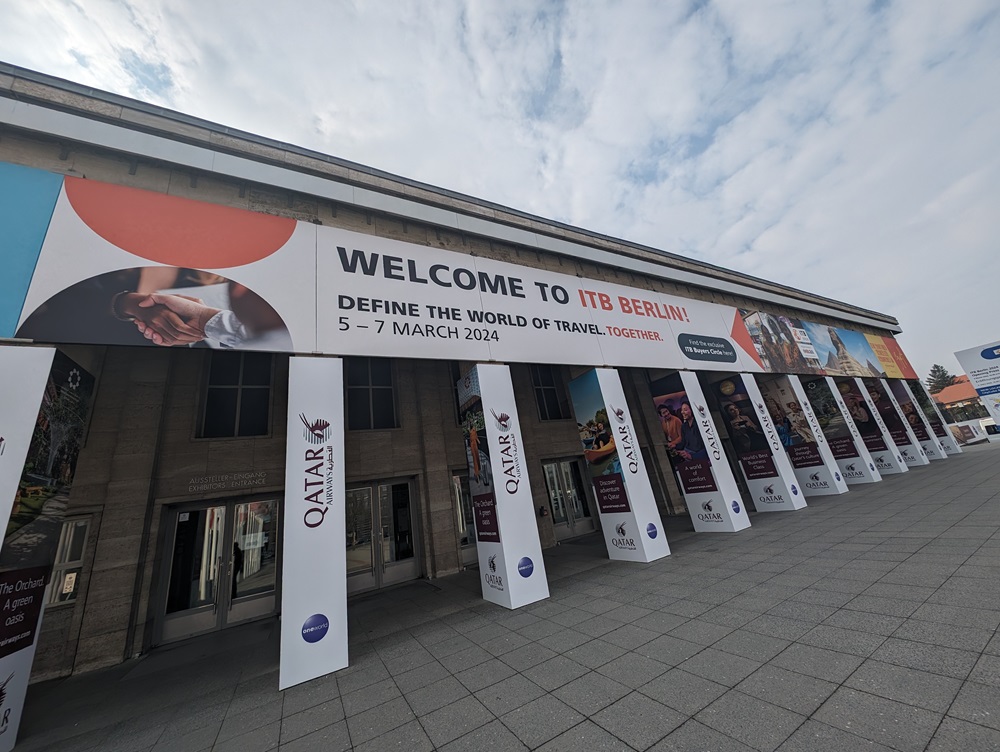

For the first time, ITB Berlin—the world’s leading travel trade show—has released a comprehensive survey highlighting the travel experiences and safety perceptions of LGBTQ+ travellers globally. The initiative, carried out in partnership with Diversity Tourism and A3M Global Monitoring, provides rare insights into how queer travellers feel about safety, acceptance, and legal protections across various destinations.
The survey, titled Perceptions and Experiences of LGBTQ+ Travellers, was conducted between December 2024 and April 2025. It combined responses from over 120 participants within the LGBTQ+ community and expert interviews, offering both subjective insights and expert observations. Its findings will influence the direction of LGBTQ+ travel conversations at the upcoming ITB Berlin 2026, set to take place from March 3–5.


Canada and Spain Emerge as Beacons of LGBTQ+ Travel Safety
Canada and Spain lead the list of destinations perceived as most LGBTQ+ friendly. Every respondent who had travelled to these countries reported feeling respected as a queer traveller. Public displays of affection were also widely accepted—especially in Spain (90%) and Canada (71%). Respondents noted positive interactions with local police and authorities in both countries.
In contrast, the United States presented a mixed picture. While cities in progressive states showed acceptance, many conservative regions reflected hostility. Only one-third of LGBTQ+ respondents said they felt comfortable showing affection in public or trusted law enforcement to be queer-friendly.
Germany also received ambivalent feedback. Despite progressive laws and legal protections, nearly half of LGBTQ+ travellers felt only cautiously accepted by the public and authorities.
Trans and Intersex Travellers Face Greater Risks
One of the most critical takeaways from the survey is the disparity in safety between different groups within the LGBTQ+ community. Transgender and intersex individuals consistently reported more frequent experiences of discrimination across almost all destinations studied.
Specific challenges for trans and intersex travellers include issues like unrecognised gender identities in passports and mistreatment during airport security checks—problems reported even in destinations deemed generally tolerant.
Regional Highlights and Insights
The survey and accompanying interviews revealed that:
- In South American countries like Brazil, Peru, and Chile, queer travellers generally feel safe in tourist hubs despite conservative legislation.
- In destinations like China and Dubai, discretion is key. Authorities often turn a blind eye so long as behaviour remains “low-key”.
- In Spain, LGBTQ+ inclusivity is deeply embedded in urban culture—Madrid, Barcelona, the Mediterranean coast, and the Canary Islands stood out as safe havens.
- The U.S. is experiencing a regression in recognition of non-binary identities, amplifying concerns among gender-diverse travellers.
- Younger queer travellers tend to react more strongly to restrictions on public behaviour than older generations, who are more accustomed to navigating discrimination.
Annual LGBTQ+ Risk Map and Ongoing Research
The 2025 edition of the LGBTQ+ Risk Map by A3M Global Monitoring reflects these regional variances and growing safety concerns for queer travellers. ITB Berlin and its partners aim to conduct the survey annually to monitor changes in legal, social, and travel environments for the LGBTQ+ community.
“We now see many LGBTQ+ travellers living openly and confidently, which naturally increases the need for clear, practical guidance on safety,” said Thomas Bömkes, Managing Director of Diversity Tourism and advisor to ITB Berlin. “This survey is a crucial step towards understanding what safety feels like—beyond just laws on paper.”
Ramona Zaun, LGBTQ+ Commissioner at ITB Berlin, added, “We take these findings seriously and are committed to developing our LGBTQ+ segment year-round—not just during the trade show.”
As the global travel landscape continues to evolve, this pioneering study is set to become a vital resource for both queer travellers and the travel industry at large.
Still have some travel questions? Ask in our Travel WhatsApp Group .
Want travel tips and news sent directly to you on WhatsApp? Join our Travel WhatsApp Channel .